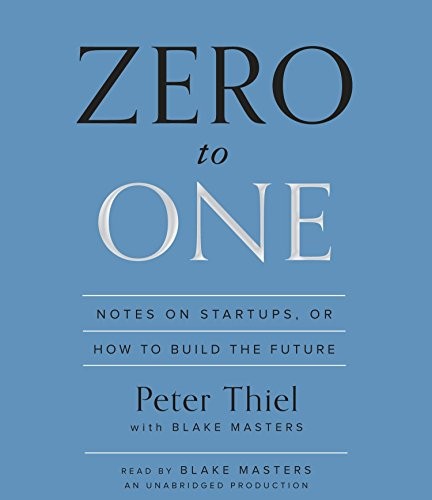
Book summary
Zero to One by Peter Thiel and Blake Masters argues that true innovation creates something entirely new, moving the world from 0 to 1, rather than copying existing models that simply go from 1 to n. Thiel contends we live in an era of technological stagnation masked by rapid progress in information technology, and that breakthroughs in any industry require contrarian thinking, monopoly-building through unique value, and the discovery of hidden secrets. The book emphasizes seven key questions for startups, the power of definite optimism, sales as essential as product development, and the need for founders who think independently to escape competition and shape a better future. At its core, it presents an optimistic yet demanding blueprint for progress through original invention instead of globalization or incremental improvement.
Key founder lessons
-
1
Monopolies drive innovation
Founders should aim to create monopolies by building unique, proprietary technology that escapes competition and generates outsized returns.
-
2
Seek valuable secrets
Identify overlooked truths or untapped opportunities that others dismiss, as they form the basis for breakthrough 0 to 1 businesses.
-
3
Prioritize definite optimism
Adopt concrete plans for the future rather than indefinite optimism, enabling focused execution on singular visions like Thiel's PayPal success.
-
4
Build a strong sales engine
Even superior products require deliberate distribution and sales strategies; founders must master selling to turn inventions into viable companies.
-
5
Focus on niche markets
Start by dominating a small market segment completely before scaling, avoiding the trap of premature competition in broad markets.
Similar books
-
The Hard Thing About Hard Things
Ben Horowitz
Raw lessons on leading through crises and scaling startups.
-

High Output Management
Andrew S. Grove
Timeless principles for managing teams and driving operational excellence.
-
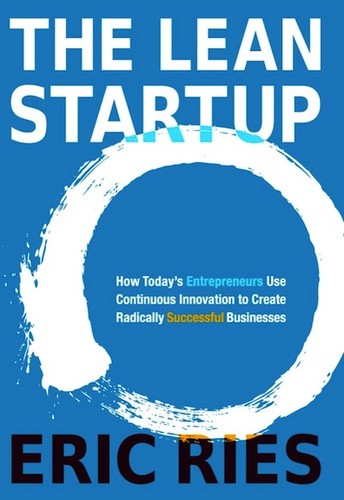
The Lean Startup
Eric Ries
Builds products iteratively with minimal waste and validated learning.
-

Good to Great
Collins, James C., Jim Collins
Data-driven insights on what separates enduring companies from the rest.
-

Thinking, fast and slow
Daniel Kahneman
Reveals cognitive biases to improve decision-making in business and life.
-

Shoe Dog
Phil Knight
Founder's memoir packed with lessons on perseverance and building culture.
Founder activity
Nobody has shelved this yet
Be the first founder to add it.