
Book summary
The Psychology of Money by Morgan Housel is a collection of 19 short stories that explore the often irrational and emotional ways people think about and handle money rather than focusing on traditional financial formulas or spreadsheets. It argues that success with money is less about knowledge or intelligence and more about behavior, psychology, humility, and controlling one's greed and ego. Through historical anecdotes and behavioral insights, Housel illustrates timeless lessons on saving, investing, risk, luck, and contentment, showing how personal experiences shape financial decisions and why managing emotions is the true key to building and preserving wealth. The core message is that doing well financially is primarily a soft skill of self-control and perspective rather than a hard skill of calculation.
Key founder lessons
-
1
Compounding is patient magic
Founders must prioritize long-term business growth over quick wins, as small consistent progress compounds into massive outcomes like Warren Buffett's success.
-
2
Luck and risk are siblings
Recognize that startup success or failure often involves luck, so avoid over-attributing outcomes to skill and stay humble in decisions.
-
3
Save for freedom and control
Build financial buffers to gain optionality, allowing founders to pivot, say no to bad deals, and endure downturns without desperation.
-
4
Behavior beats intelligence
In volatile markets or fundraising, emotional control and reasonable decisions outperform complex strategies, preventing costly ego-driven mistakes.
-
5
Enough prevents ruin
Know when to stop chasing more funding or growth to avoid greed-fueled risks that could destroy the company, focusing instead on sustainable happiness.
Similar books
-

Thinking, fast and slow
Daniel Kahneman
Reveals cognitive biases that shape financial and business decisions.
-

Fooled by randomness
Nassim Nicholas Taleb
Explores luck versus skill in success, vital for founders navigating uncertainty.
-

The Psychology of Selling
Brian Tracy
Teaches psychological principles to master sales and persuasion.
-

Atomic Habits
James Clear
Builds systems for productivity and discipline essential to startup execution.
-
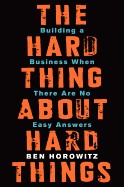
The Hard Thing About Hard Things
Ben Horowitz
Candid lessons on leadership and tough decisions in building companies.
-

Principles
Ray Dalio
Outlines decision-making frameworks from one of the world's top investors.
Founder activity
Nobody has shelved this yet
Be the first founder to add it.