
Book summary
Noise by Daniel Kahneman, Olivier Sibony, and Cass R. Sunstein explores the hidden variability in human judgment that leads to inconsistent decisions even when cases are identical. The book distinguishes noise (random scatter in judgments that should be the same) from bias (systematic errors), demonstrating its costly impact across medicine, law, hiring, forecasting, and other fields where the same person or group can reach wildly different conclusions based on irrelevant factors like time of day. The core argument is that while bias has received extensive attention, noise is equally damaging yet largely ignored, and it can be substantially reduced through practical remedies such as structured decision protocols, averaging independent judgments, and noise audits without requiring changes in individual psychology. The authors show that improving judgment requires tackling both noise and bias to produce fairer and more accurate outcomes.
Key founder lessons
-
1
Measure and reduce system noise first
Founders should audit variability in hiring, pricing, or forecasting decisions across the team, then implement structured protocols to cut noise before addressing bias.
-
2
Use decision hygiene to combat noise
Break judgments into independent components, delay final integration, and aggregate multiple independent estimates to minimize unwanted variability in startup decisions.
-
3
Distinguish noise from bias in reviews
In performance evaluations or customer feedback, track level noise (leniency differences) and pattern noise (inconsistent criteria) to create fairer, more repeatable processes.
-
4
Apply relative judgments over absolute
When ranking candidates, features, or investments, compare options side-by-side on the same scale rather than rating each independently to reduce noise in selection.
-
5
Guard against occasion noise in timing
Schedule critical decisions like investor pitches or strategic calls at consistent times and after stable routines, avoiding mood or context swings that amplify judgment variability.
Similar books
-

Thinking, fast and slow
Daniel Kahneman
Reveals cognitive biases and decision pitfalls essential for better founder judgment.
-

Superforecasting
Philip E. Tetlock, Dan Gardner
Shows how to forecast accurately, cutting through noise for smarter business bets.
-
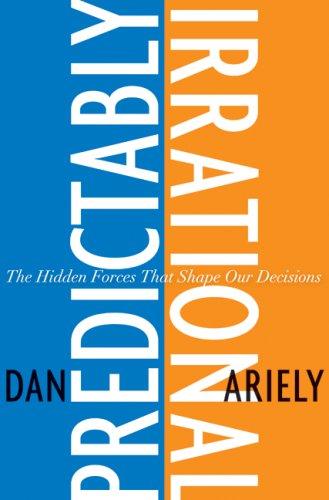
Predictably Irrational
Dan Ariely
Uncovers hidden influences on decisions, aiding product and pricing strategies.
-

Nudge
Richard H. Thaler, Cass R. Sunstein
Explains choice architecture to guide better decisions in teams and markets.
-
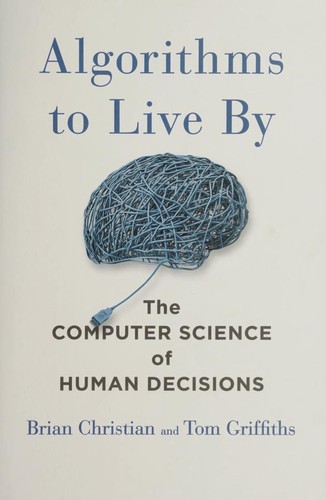
Algorithms to Live By
Brian Christian, Tom Griffiths
Applies decision science to optimize productivity, time, and career choices.
Founder activity
Nobody has shelved this yet
Be the first founder to add it.